Dry Carpet Cleaning Perth | Low-Moisture Cleaning

Dry Carpet Cleaning Perth

Low-moisture cleaning, with the method matched to your material

Need your carpets refreshed with less moisture, or advice on a fabric that may not tolerate a conventional wet clean? Perth Local Carpet Cleaning provides dry and low-moisture cleaning options for suitable carpets, rugs and upholstery across Perth.

We start by assessing what we are cleaning: the fibres, the construction, the condition and the stains. Then we recommend a method that balances cleaning performance with the care your material needs.

Send us photos and your Perth suburb for a quote, or call 0413 394 988. A photo of the care label is helpful for sofas and rugs. Our final method recommendation depends on inspection and testing.

What is dry carpet cleaning?

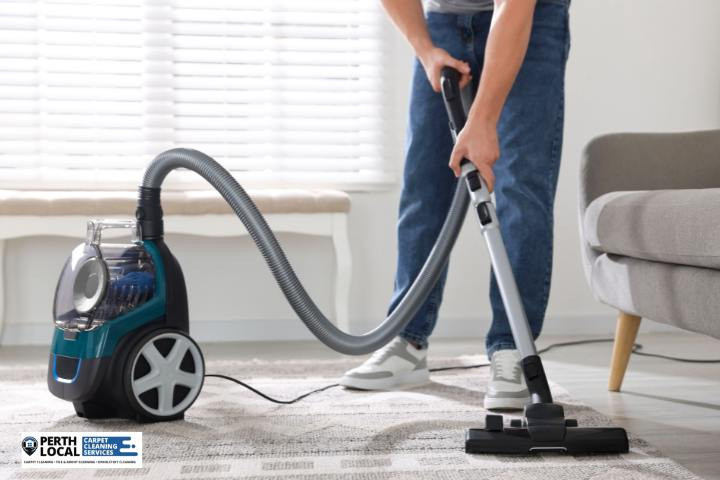
Dry carpet cleaning is an umbrella term used for several cleaning systems that control moisture and reduce drying requirements. It does not always mean that no water is used.

Encapsulation uses a small amount of water-based cleaning solution, followed by agitation, drying and vacuum removal of the dry residue. Solvent cleaning uses a non-water-based cleaning medium for suitable applications. Other systems, such as absorbent-compound cleaning, carry cleaning agents in a material that is worked through the carpet and recovered.

These methods work differently. When discussing your booking, we explain which treatment we recommend and how the soil will be removed.

Dry Cleaning

Dry cleaning and encapsulation: what is the difference?

Encapsulation: low moisture, followed by soil recovery

Encapsulation cleaning uses a solution containing cleaning agents and specialised polymers. The cleaning agents help release soil from the fibres. As the solution dries, the polymer forms a dry, brittle residue that incorporates soil and can be removed through subsequent vacuuming.

The vacuuming matters. Agitation and drying prepare the soil for recovery; they do not make it disappear.

Encapsulation can be useful for compatible carpets on an ongoing maintenance programme, particularly where appearance and limited downtime are priorities.
Solvent cleaning: a different approach for selected fabrics

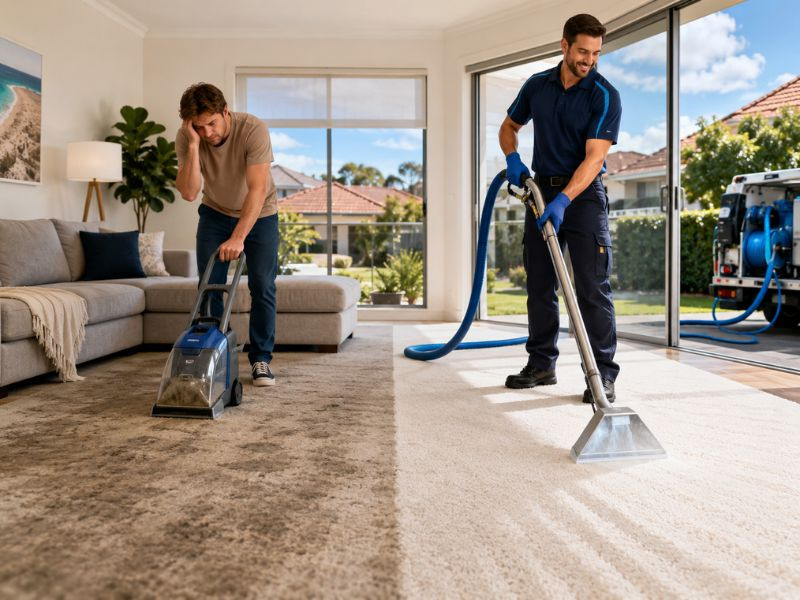
Solvent-based dry cleaning may be appropriate for certain water-sensitive upholstery fabrics, subject to the care instructions, product suitability and testing.

The face fabric is only part of the assessment. Dyes, finishes, adhesives, backing materials and trims may respond differently to a cleaning product. A solvent suitable for a fibre is not automatically suitable for the entire item.

Why we explain the method before starting

“Dry cleaning” alone does not tell you whether a cleaner intends to use encapsulation, a bonnet or pad system, an absorbent compound or a solvent treatment. Knowing the actual method helps you understand the likely result, drying requirements and aftercare.

We assess the item first, then explain what we can reasonably achieve.

When might low-moisture carpet cleaning be a good choice?

We may recommend encapsulation for suitable carpets where the main goal is managing everyday soiling and maintaining appearance between deeper cleans.

Typical situations include:

  • Offices and reception areas that need a practical maintenance schedule.
  • Strata corridors and shared spaces where access needs to be planned.
  • Compatible residential carpets requiring a maintenance clean.
  • Selected rugs or fabrics where careful moisture control forms part of the treatment plan.

A low-moisture label does not make a process suitable for every delicate material. Product choice, application rate and mechanical action still matter.

If a carpet has heavy soil accumulation, significant oily residues or contamination below the surface, we assess whether extraction or a separate treatment would be more appropriate.

Our encapsulation cleaning process

1. Inspect the carpet and discuss your concerns

We check the material, visible wear, stains, previous cleaning issues and access. Tell us about persistent odours, spills, pet accidents and any previous colour changes. This helps us distinguish routine maintenance from a problem that needs a different approach.

2. Pre-vacuum to remove loose soil

We vacuum before applying the solution. Removing loose dust, grit and other dry debris allows the next stages to concentrate on soil attached to the fibres.

3. Select the solution and assess individual spots

We choose the treatment according to the material and the problem. Where appropriate, individual spots receive targeted treatment. Some marks are permanent staining, colour loss or wear, rather than removable dirt; we explain those limitations.

4. Apply a controlled amount of encapsulation solution

We apply the product at its specified dilution and an appropriate rate. Low-moisture cleaning still requires careful application: more product or water does not automatically produce a better result.

5. Agitate using equipment suited to the carpet

Agitation distributes the solution and helps loosen soil. We select the brush, pad or other agitation method to suit the pile and construction. A delicate texture should not receive the same mechanical action as a robust commercial carpet.

6. Allow drying and arrange the final vacuuming

The solution must dry as intended before the encapsulated residue is recovered. We explain when to vacuum, whether that stage is included in the visit or forms part of your agreed maintenance routine, and when the area can return to use.

Timing follows the product instructions. Some systems permit recovery once dry; others specify a longer interval.

Dry carpet cleaning vs steam cleaning

Steam cleaning is the familiar name for hot water extraction. The process applies a cleaning or rinse solution and uses suction to recover liquid and suspended soil. The temperature and moisture level should suit the carpet.

ConsiderationEncapsulation cleaningHot water extraction
How soil is recoveredDry encapsulation residue is removed by vacuumingLiquid and suspended soil are extracted with suction
Typical roleAppearance maintenance on compatible carpetsPeriodic deep cleaning and removal of accumulated soil
Moisture and dryingUsually lower moisture; drying still variesMore moisture is used; recovery and airflow influence drying
Follow-upVacuuming is an essential recovery stageDrying advice and routine vacuuming remain important
Main decisionIs the carpet suitable, and is maintenance the right goal?Does the material tolerate the process, and is a flushing clean needed?

For some properties, the most useful approach is a combination: regular vacuuming and spot care, encapsulation maintenance where appropriate, and periodic extraction when the carpet requires a deeper clean.

Dry cleaning for delicate upholstery and rugs

A pale natural-fibre sofa, a wool rug and a commercial synthetic carpet can look equally dirty while needing very different treatment.

We consider the care label, fibre blend, dye stability, texture, backing and previous damage. Where moisture sensitivity is a concern, we may recommend a compatible low-moisture or solvent-based approach.

With delicate textiles, the issues we assess include water marks, browning, colour migration, shrinkage and changes in texture. Testing helps inform the treatment, but cannot reveal every possible reaction.

Wool and Persian rugs do not automatically require dry cleaning. A hand-knotted rug needs assessment of its fibres, dyes, construction and condition. Silk, viscose and other fine fibres also require an individual approach. In some cases, a controlled workshop process is more appropriate than cleaning the rug on site.

We discuss the options and any material limitations before proceeding.

Frequently asked questions

Does dry carpet cleaning use water?

Often, yes. Encapsulation uses a water-based solution in controlled quantities, and some absorbent compounds also contain moisture. Solvent-based cleaning is a different process. Ask which system is being proposed for your carpet or fabric.

How long does low-moisture carpet cleaning take to dry?

Drying depends on the system, application rate, carpet density, airflow and indoor humidity. Low-moisture processes generally aim to reduce downtime, but there is no reliable drying time for every carpet. We provide advice for your treatment and conditions.

Is dry cleaning better than steam cleaning?

The better choice depends on the material and cleaning goal. Encapsulation can suit maintenance on compatible carpets; hot water extraction provides a flushing and recovery process for deeper cleaning. Water-sensitive upholstery may require a different treatment altogether.

Do I need to vacuum after encapsulation cleaning?

Yes. Subsequent vacuuming removes the dry encapsulation residue and the soil it contains. Follow the timing we provide for the product used. Depending on that system and the booking arrangements, recovery may occur during the visit or later.

Can dry carpet cleaning remove stains?

It can improve many soil-related marks, but the result depends on the stain, fibre and previous treatment. Some spots need separate chemistry. Bleaching, dye loss, wear and certain permanent stains cannot be corrected by ordinary cleaning.

Will encapsulation remove pet urine odour?

Encapsulation alone should not be assumed to resolve urine contamination. We need to assess the affected area, including whether the problem extends beyond the carpet surface. Tell us about pet accidents when requesting your quote so we can recommend an appropriate treatment.

Can you dry clean a wool carpet or Persian rug?

We can assess it for a suitable cleaning approach. Wool or Persian origin alone does not determine the method. The dyes, construction, condition and type of soiling also influence the recommendation.

Can a sofa be dry cleaned?

Some upholstery fabrics are suitable for solvent-based cleaning or another carefully controlled method. We check the manufacturer's instructions and assess the fabric and construction before recommending treatment. Send a photograph of the sofa and its care label to help us start the assessment.

Is the treatment suitable for homes with children and pets?

Tell us about children, pets, sensitivities or fragrance concerns before booking. We can discuss the proposed products and provide the relevant access, ventilation and drying instructions. Suitability depends on the actual treatment and how it is used.

How much does dry carpet cleaning in Perth cost?

Your quote depends on the area, material, condition, stain treatment and access requirements. Send your suburb, approximate room sizes or quantities, and clear photos. For upholstery or rugs, include the care label if available. We explain the proposed scope and price before starting.

Ask Perth Local Carpet Cleaning which method suits your property

We are a local, family-run business serving Perth homes and commercial properties. Our work includes carpets, rugs and upholstery, and our advice starts with the material in front of us.

If you are unsure whether you need dry cleaning, encapsulation or hot water extraction, send us a few photos. We can discuss the options and arrange an assessment.

Call or message 0413 394 988 to request a quote.

Related Blog Posts on Dry Cleaning

Explore dry carpet cleaning and low-moisture encapsulation in Perth. Get advice for carpets, rugs and upholstery. Call 0413 394 988 for a quote.

Click to Call
Click to Chat
Click to Chat