1. Discuss the job and inspect the area
We listen to your concerns, check the floor and review its history. We identify problem areas and anything requiring separate treatment or attention before cleaning.
When the grout stays dark after mopping or textured tiles never seem to come clean, the floor may need more than another pass with a mop. Attached residues, grease and accumulated soil can require a carefully selected treatment and a proper recovery process.
Perth Local Carpet Cleaning provides professional tile and grout cleaning across Perth for homes and business premises. We assess the floor, choose suitable cleaning products and agitation, then use hot water extraction with a rotary tile-cleaning tool where the surface and installation allow.
Our focus is a well-planned clean: understand the material, release the soil, rinse and recover it, and review the result with you. If an existing coating changes the work required, we explain that before starting.
Call or message 0413 394 988 for a tile and grout cleaning quote. Send your Perth suburb, approximate area, full-floor photos and close-ups of the grout or problem spots.
A tiled floor is a complete surface system. The tile face, grout, finish and any existing treatment all influence how it should be cleaned.
We take the time to inspect those details and discuss what you want improved. You receive a clear explanation of the method, the work included and any marks or damage that cleaning may not correct.
Our approach combines:
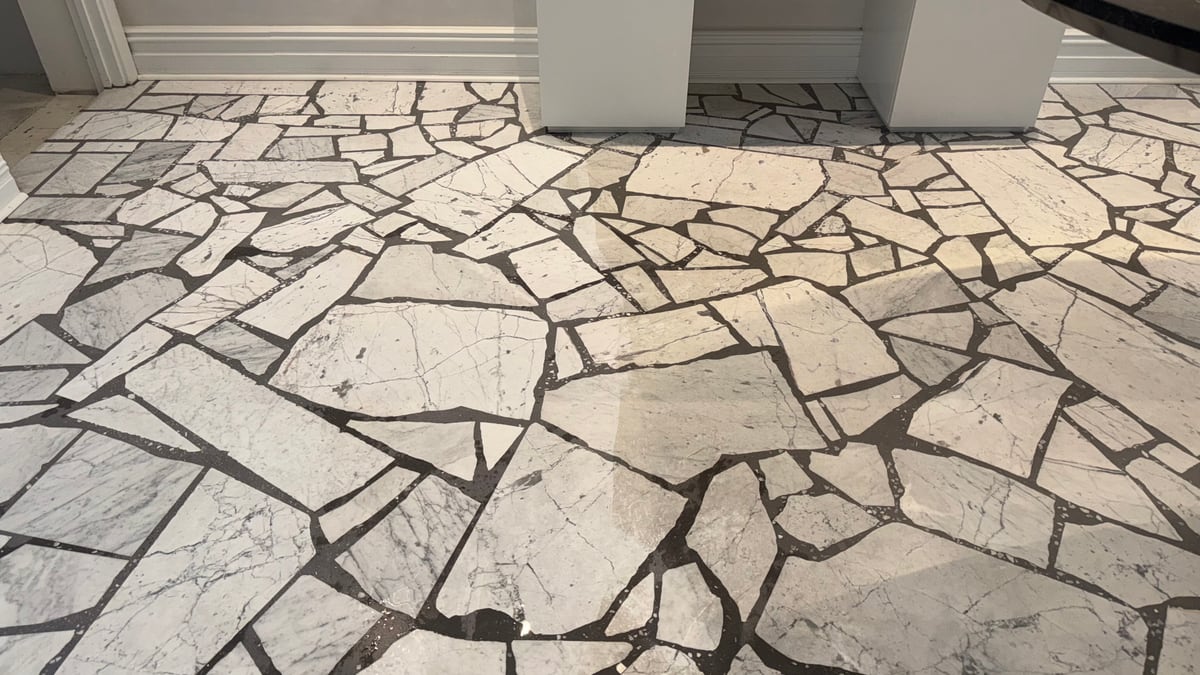
We walk through the areas with you and ask about the floor's history. Tell us about previous cleaning products, sealers, spills and anything that has changed in appearance.
Ceramic, porcelain, terracotta and natural stone do not automatically tolerate the same treatment. A polished finish and a textured finish also need different consideration.
If you have the product name, spare tiles, installation records or care instructions, share them with us. Photos are useful for the first discussion, while inspection and appropriate testing inform the final recommendation.
We look at the condition of the grout, visible gaps, loose material and areas needing closer attention. Dirty grout and damaged grout require different responses.
We also consider whether the jointing material is known. Cement-based and epoxy grout can have different care requirements, so the tile alone does not determine the product choice.
We assess what appears to be everyday soil, oily residue, deposits, previous product build-up or another concern. Tell us whether the area becomes greasy, sticky, chalky or patchy and whether a mark returns after cleaning.
A floor may have a surface coating, a penetrating treatment, both or neither. We ask about previous work and assess whether an old finish is affecting the appearance or treatment plan.
Access, furniture, edges, nearby fixtures and how the area is used also matter. We agree on the cleaning scope and return-to-use arrangements before proceeding.
We use different product categories because different residues need different approaches. Selection considers the tile, grout, finish and surrounding materials together.
| Product category | Role in an assessed cleaning plan |
|---|---|
| Alkaline cleaners | May suit greasy, oily or general accumulated soils on compatible surfaces |
| Neutral cleaners | Useful for suitable routine care and situations requiring a compatible maintenance product |
| Acidic cleaners | May address selected mineral or cement-related deposits, only where the complete installation permits their use |
These are different tools for different tasks, not a three-product sequence applied to every floor. We follow the selected product's instructions for dilution, contact time, agitation and rinsing.
A tile that tolerates a cleaner does not establish that its grout or neighbouring finish will tolerate it too. Acid use needs particular assessment: ARDEX's maintenance guidance requires neutral or alkaline cleaning for specified cement-based grouts.[1]
We choose the treatment for the actual installation and discuss the appropriate alternative where a product is unsuitable.
Stone composition and finish influence product selection. Marble, limestone and travertine are examples where acid sensitivity is an important consideration. Sealing does not make the wrong cleaner suitable for the stone beneath it.
If you are unsure whether the floor is stone or a stone-look tile, send photos and any available details. We can start the assessment without asking you to guess the material yourself.
The cleaning process has two linked jobs: release the soil and remove it from the floor.
Pre-treatment and suitable agitation help loosen residues. The extraction stage then rinses the surface and recovers the liquid carrying that material.
This is different from simply leaving loosened dirt in mop water on the floor. It also means that a powerful rinse cannot replace the preparation stage: the solution and technique need to suit the problem first.
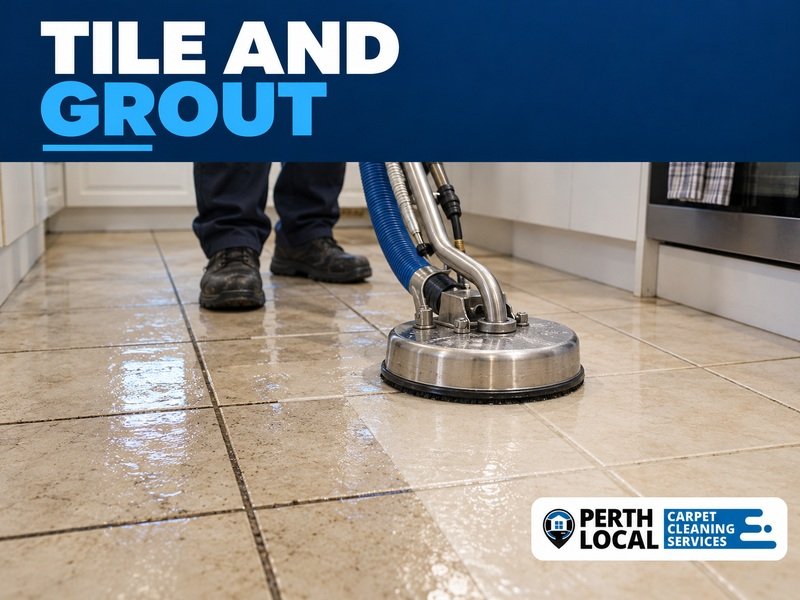
A tile spinner is a rotary hard-surface cleaning tool connected to the extractor's solution and vacuum hoses. Inside the cleaning head, jets sweep across the floor in a circular pattern, helping rinse the tile face and grout lines.
As the tool applies water, suction recovers the used liquid and suspended soil through the head and back to the extraction system. We work across the area with controlled passes and use a suitable approach for edges or sections the main tool cannot reach.
The useful effect is a rotating cleaning pattern combined with liquid recovery. We select the operating conditions for the surface rather than treat the tool's maximum capacity as the goal.
Hot water and pressure can assist cleaning where suitable, but we assess the installation before choosing the settings. An area with fragile grout, damaged joints or a sensitive finish may need a different approach.
We also balance the water applied with recovery and the layout of the area. Our aim is effective rinsing and collection, followed by attention to any remaining surface moisture.
We listen to your concerns, check the floor and review its history. We identify problem areas and anything requiring separate treatment or attention before cleaning.
We explain the recommended process, areas included and any additional work. Where appropriate, a small test area helps establish the response and expected result.
We remove loose debris and organise access. We discuss furniture and nearby surfaces, and put appropriate arrangements in place for the treatment being used.
We apply a suitable product according to its instructions, working in manageable areas. The product is chosen for the material and residues identified during assessment.
Where appropriate, we scrub using a suitable brush, pad or machine. Grout lines, edges and localised deposits may need targeted attention. We match the tool and intensity to the floor rather than apply the same mechanical action everywhere.
We allow the required contact time and manage the preparation according to the product instructions.
We use controlled rotary rinsing and simultaneous vacuum recovery on compatible areas. Smaller or restricted sections receive an appropriate alternative tool or manual approach.
Any additional rinsing or residue-removal stage follows the requirements of the selected treatment.
We recover and remove as much remaining surface water as practical, including attention to edges and areas where the tool cannot collect it effectively. Further drying depends on the surface, joints and conditions.
We review the floor with you, discuss remaining marks and explain when the area can be used. If sealing or further work is being considered, we explain the separate preparation and timing requirements.
An unsealed porous surface and a floor carrying an existing coating can require different cleaning plans. Knowing the previous treatment helps us understand what we are working with.
If a coating is worn, patchy or holding soil, cleaning the surface may not deliver the result you want. We assess whether maintenance of that finish is appropriate or whether removal and renewal should be discussed.
The recommendation follows the floor's condition. “Sealed” is useful information, but it does not describe every type of treatment or establish one universal cleaning process.
Strip and seal is a separate floor-care process for suitable surfaces with a removable coating. It involves removing the old finish, recovering the resulting slurry and preparing the floor before applying a compatible new system.
It may be worth discussing when a removable finish has deteriorated or accumulated layers that a routine clean will not address. The material, existing product and desired result must be assessed first.
A proposed plan generally includes assessment of the old coating, compatible removal, collection and rinsing, drying and preparation, followed by application and curing of the selected finish. We discuss the exact scope and availability after inspecting the floor.
This may require more access time than cleaning alone. The coating system determines the application stages and return-to-use requirements.
Applying a film finish is not a standard final step for all tile cleaning. For example, Agar's guidance for acrylic floor finishes identifies compatibility restrictions for non-porous ceramic and porcelain surfaces.[2]
Send photos if you are unsure whether your floor needs cleaning, coating removal or resealing. We can review the situation and explain what assessment is needed before a quote is finalised.
A penetrating treatment is intended to improve stain resistance in a suitable porous material; it is different from a film sitting on the surface. The grout and tile may have different requirements.
| Treatment | Purpose and assessment |
|---|---|
| Tile and grout cleaning | Remove suitable soil and residues using an assessed cleaning process |
| Penetrating sealing | Consider additional stain resistance for compatible porous materials |
| Strip and seal | Remove and renew a compatible surface coating where appropriate |
| Repair, recolouring or stone refinishing | Address issues beyond routine cleaning; separate assessment and service |
Sealing is not a substitute for repairing damage or correcting a leak. Any proposed sealing work is discussed and quoted separately, with suitability and availability confirmed for the particular floor.
Food preparation, spills and repeated foot traffic can leave residue on the floor and in grout lines. We assess the material and soil before selecting the preparation and extraction method.
Soap-related deposits, product residues and other marks may need targeted attention. Tell us about persistent dampness, damaged grout or recurring marks so we can discuss the right scope.
This page describes floor cleaning. Include shower walls, other vertical surfaces or fixtures separately in your enquiry so we can confirm what can be provided.
Busy routes can need attention to accumulated soil and uneven appearance. For businesses, we discuss access, opening times and an appropriate cleaning window with your nominated contact.
Send full photos and close-ups so we can assess the tile face, texture, grout and condition. A wood-look or stone-look design does not itself identify the material.
These surfaces need assessment of material, finish and any previous treatment. We can review the enquiry and confirm whether our service is suitable. We do not assume every stone floor can receive the same spinner or chemical process.
We aim for the best achievable result while caring for the installation. Soil-related darkening, greasy residues and removable surface deposits may respond well to appropriate treatment.
Cracks, missing grout, acid etching, worn finishes and some permanent staining are different problems. More cleaning does not necessarily correct them.
Grout colour can vary for reasons beyond dirt. We explain the condition we find and discuss any further assessment rather than promise that every joint will finish the same shade.
If deposits return, the cause may need investigation beyond cleaning. Tell us about leaks, previous repairs or a pattern that changes with weather or use.
Point out any suspected mould or recurring dark areas when enquiring. We assess what is suitable for cleaning and explain any limits. Ongoing dampness or a leak needs attention to its source; a clean is not a guarantee that a recurring problem will stop.
We explain the relevant access requirements before leaving. Keep people and pets clear of the work area until it is released for use, and follow any additional instructions if a finish has been applied.
Between professional visits, use care products approved for the floor and its treatment. Remove loose grit regularly, attend to spills and avoid increasing product strength to compensate for an unresolved residue or stain.
Ask us if the floor keeps looking dull or sticky after routine cleaning. Information about the product and technique you use can help us discuss the next step.
For this service, hot water extraction describes the liquid rinsing and vacuum-recovery process. The spinner directs rotating water jets across the floor; it does not rely on dry steam vapour alone.
No. Acidic products are considered only for suitable deposits and compatible installations. Neutral or alkaline cleaning may be the appropriate option. We assess the tile, grout, finish and nearby materials together.
Send photos and any product information for assessment. These materials require their own care decisions, including attention to acid sensitivity and finish. We confirm suitability before recommending a process.
No. Preparation, product choice, contact time, tool technique and recovery all matter. We select operating conditions for the installation rather than automatically use maximum pressure.
The extraction system collects used solution and released soil as the spinner works. We manage the recovered liquid as part of the job and address remaining surface moisture before the handover.
A rotary head has access limits. We assess edges, corners and restricted sections and use an appropriate alternative approach within the agreed scope.
We assess the original grout colour and condition. Cleaning can remove soil-related discolouration, but not every grout is white and some colour variation or staining may remain.
Only if the material, coating and condition call for that process. It is not routine tile cleaning. Send photos and details of previous sealing so we can assess whether cleaning alone or separate coating work is appropriate.
No. A stain-resistance treatment is not a replacement for a waterproofing system or repairs. We discuss the purpose of any proposed sealing work clearly.
No. The tile, grout and existing treatment determine the recommendation. Sealing is not included automatically and must be suitable for the surface.
This page describes cleaning and assessment of related care needs. Repairs, recolouring and refinishing are separate services and are not automatically included. Tell us about damage before booking.
It depends on the surface, joints, recovery and indoor conditions. Sealing or coating can add separate curing requirements. We discuss the plan rather than promise one time for every floor.
Tell us about your household before booking. We explain the proposed treatment and access requirements, and ask that children and pets remain clear during work and until the area is ready for use.
We can assess commercial jobs and discuss the area, material, access and timing. Send photos and tell us when the premises is next needed so we can plan around the operation where practical.
Send your suburb, approximate area, photos of the overall floor and close-ups of grout and problem sections. Include the material name, previous sealer information and access details if known.
Give your floor a clean based on its material and condition. Perth Local Carpet Cleaning combines assessment, suitable chemistry, agitation and controlled extraction, with clear advice about the next steps.
Call or message 0413 394 988. Send your photos and suburb to discuss tile and grout cleaning, or whether separate strip-and-seal assessment may be appropriate.
A closer look at our work
Explore photos from our cleaning projects. Select a photo to see the full image.
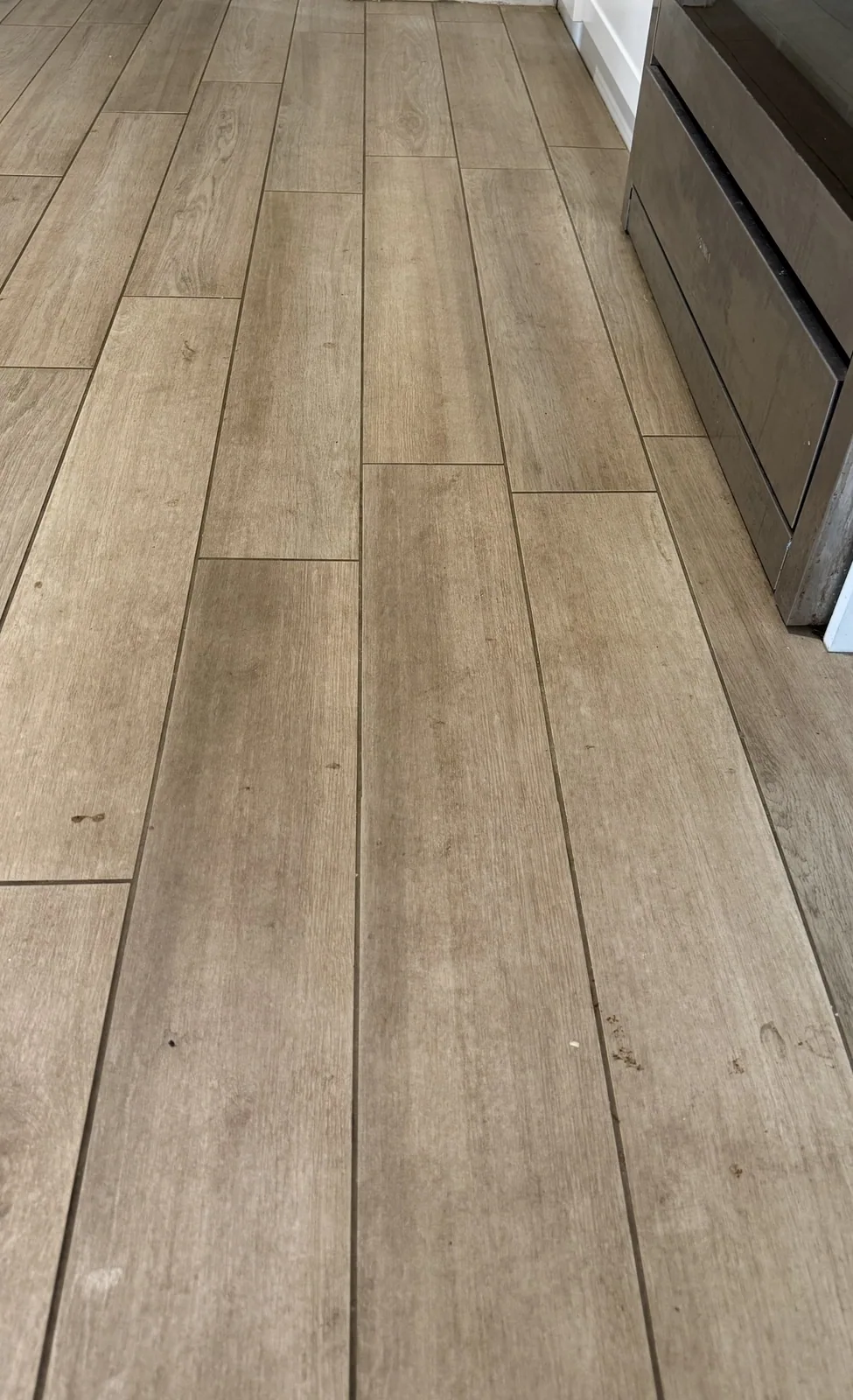 Wood-look floor tiles — before cleaning
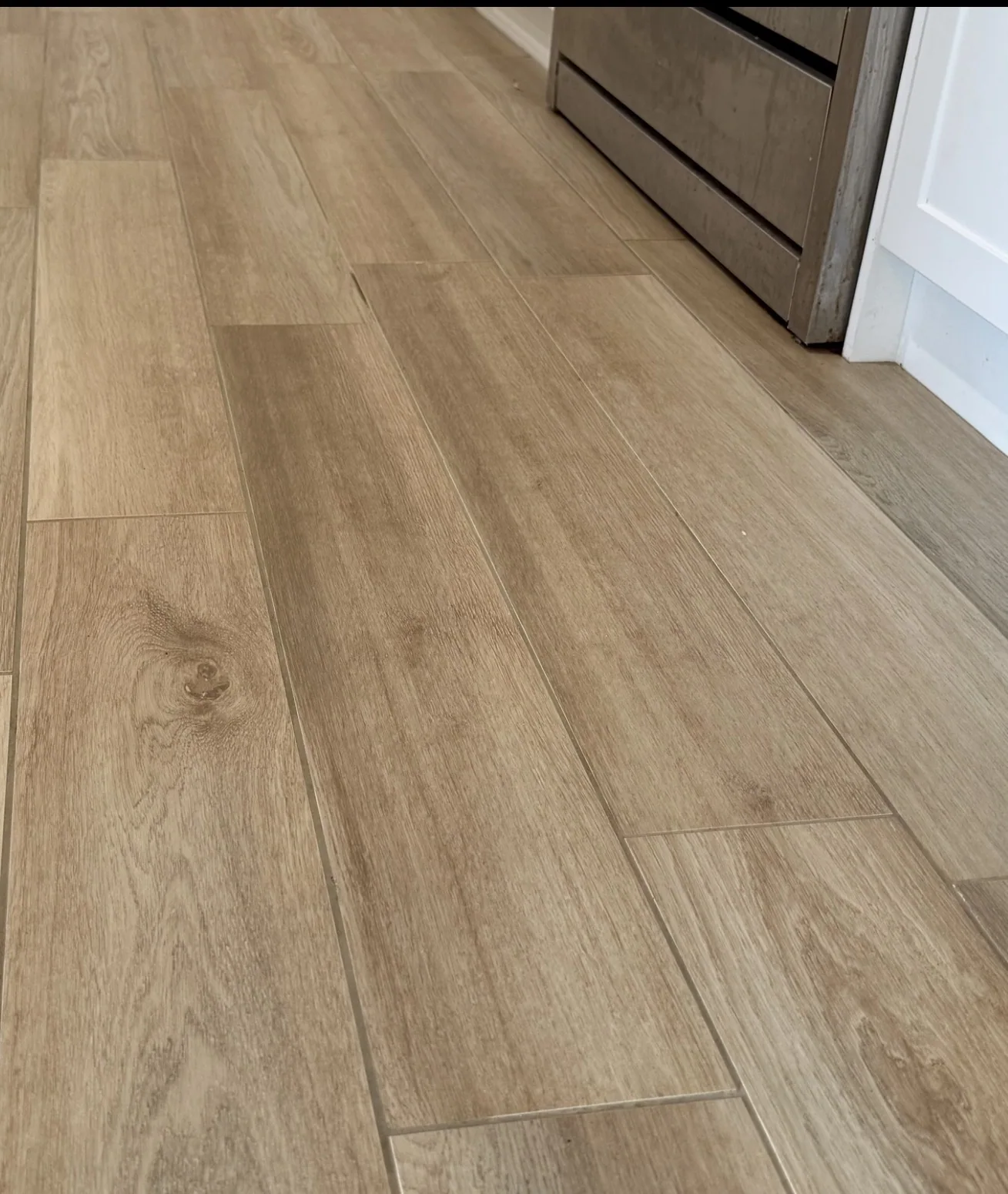 Wood-look floor tiles — after cleaning
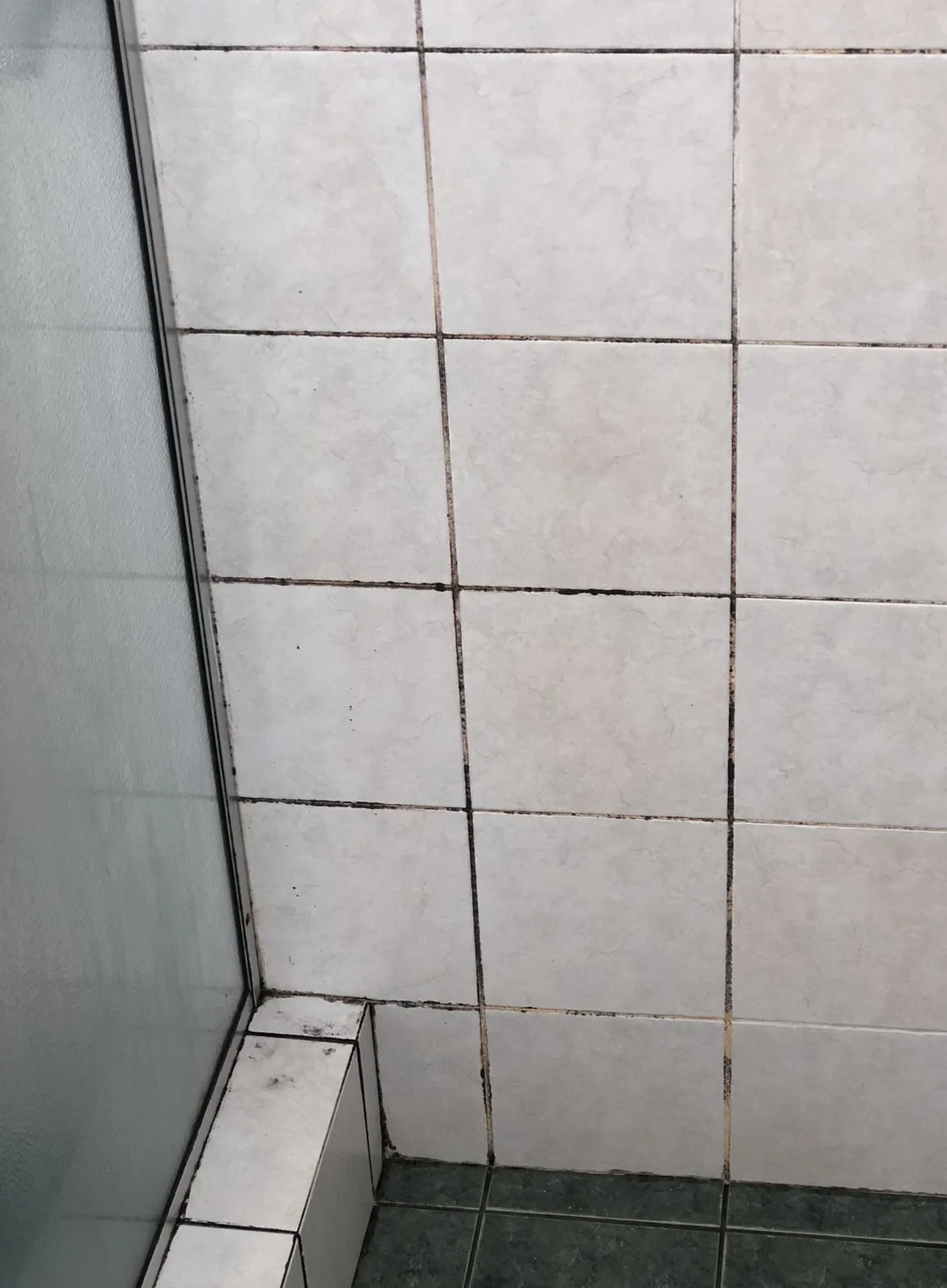 Bathroom tiles and grout — before cleaning
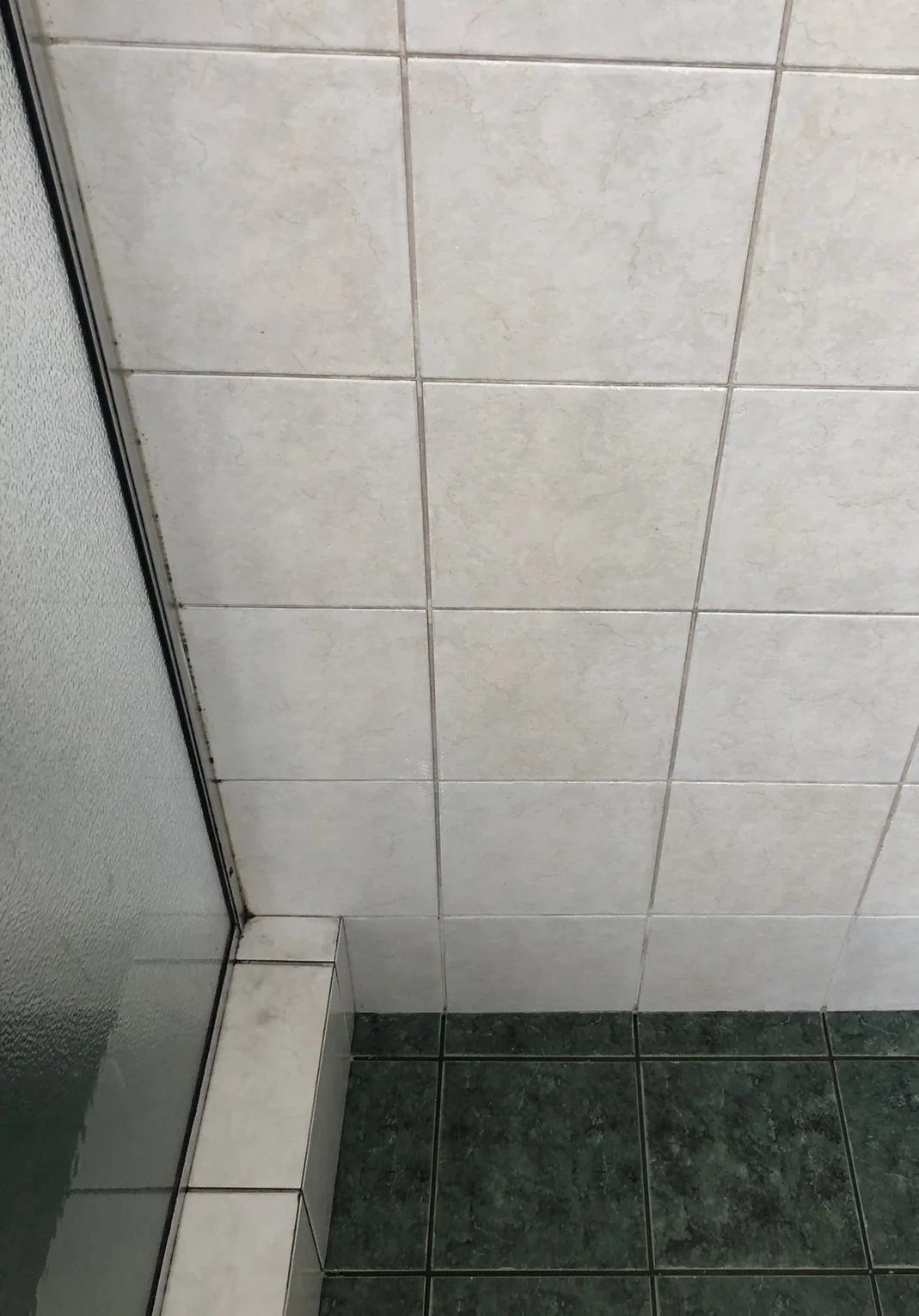 Bathroom tiles and grout — after cleaning
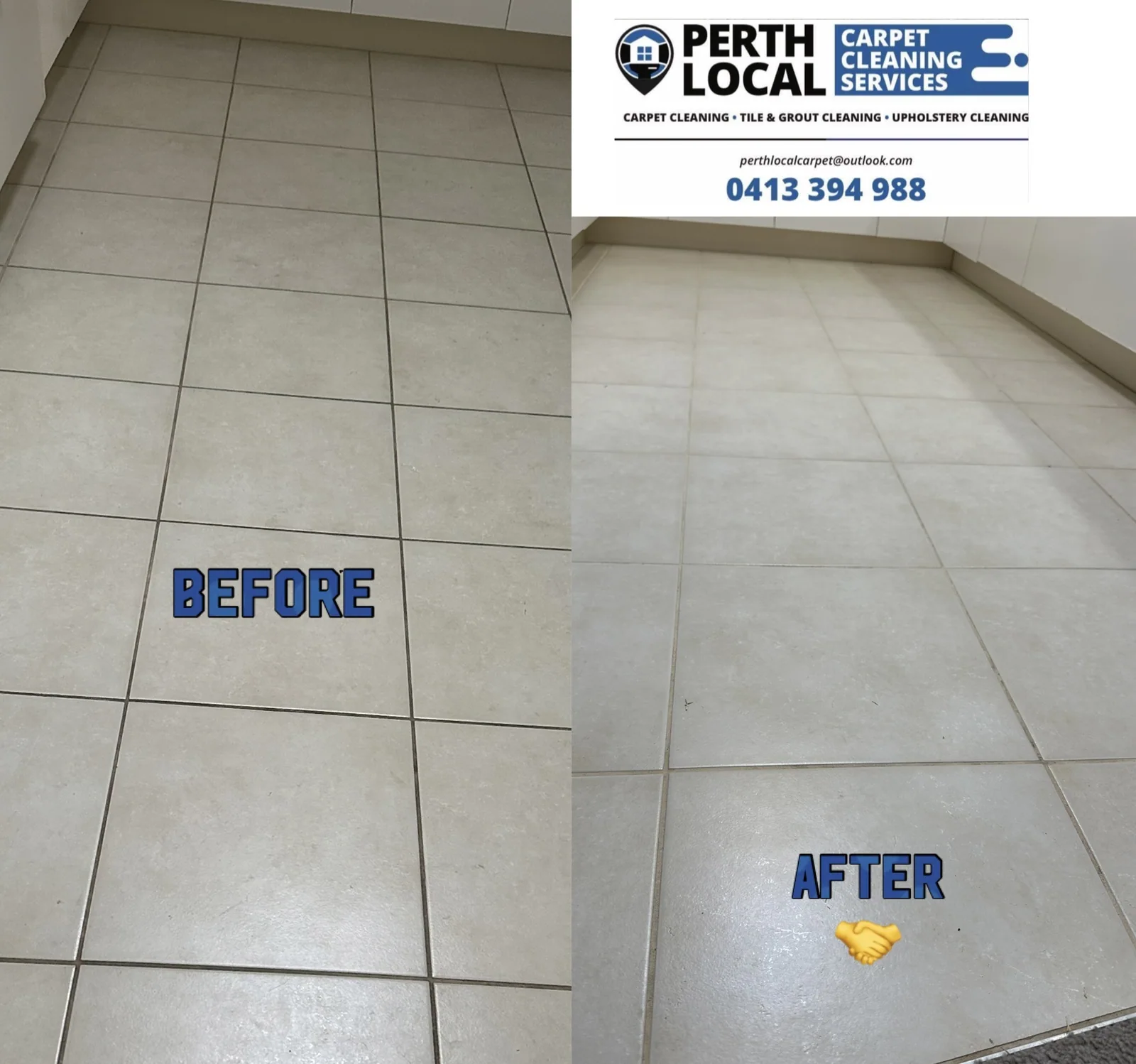 Tile and grout cleaning — before and after
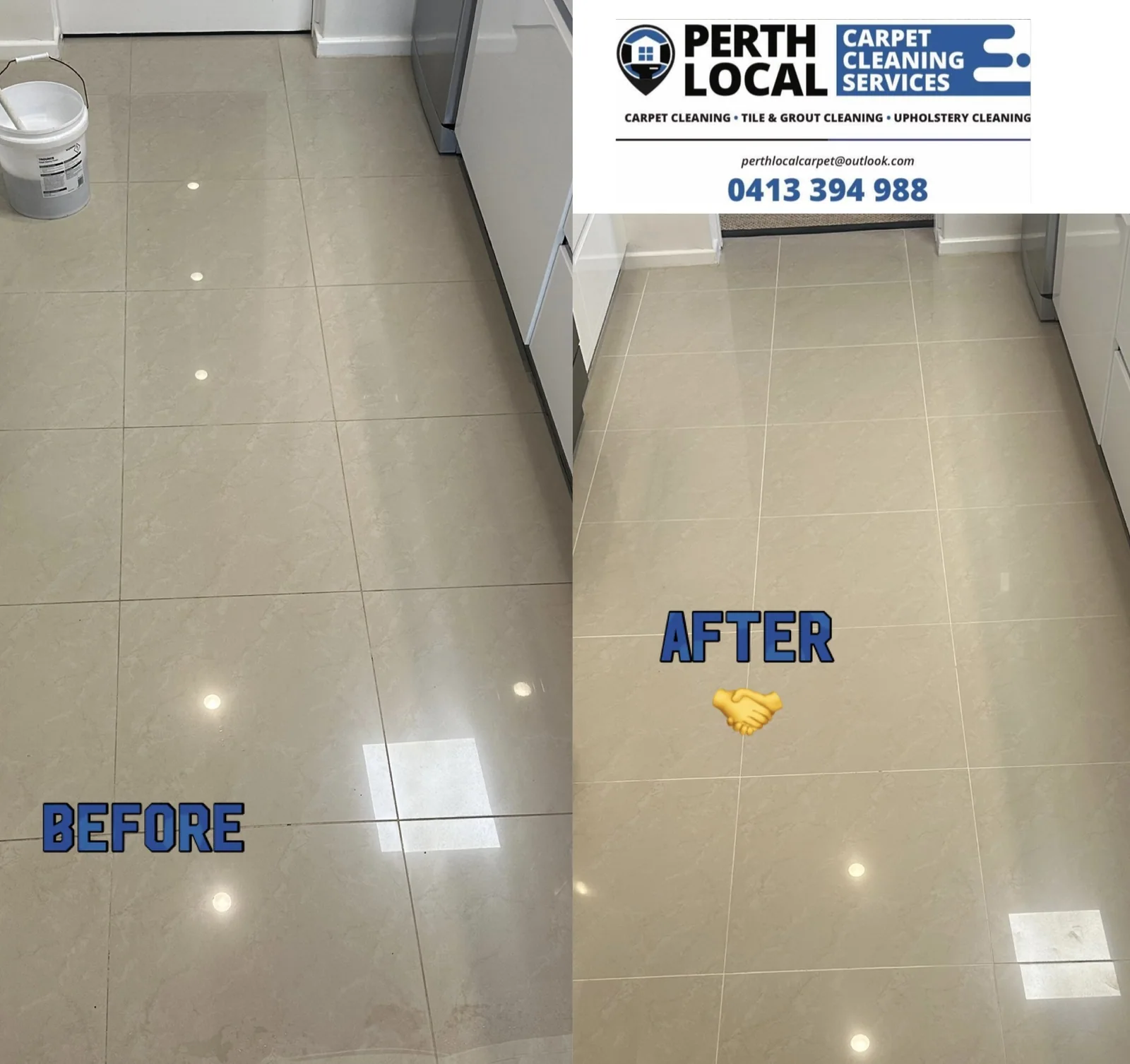 Polished floor tiles — before and after
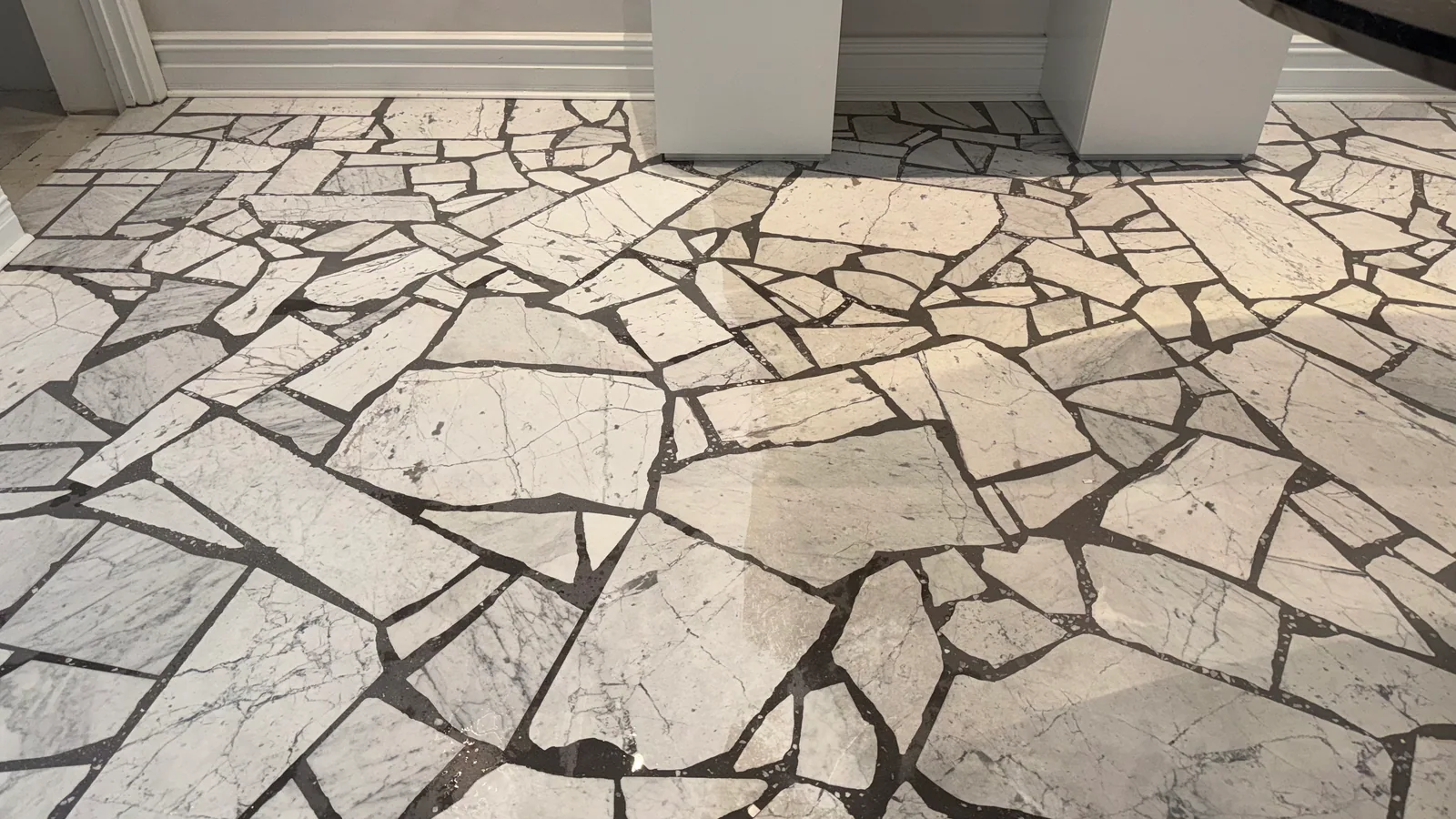 Stone floor and grout cleaning result
Our work in action
Watch our team at work and see the results.
 Deep Tile and Grout Cleaning
 Carpet, Upholstery, Mattress and Tile Cleaning
 Professional Tile and Grout Cleaning

Perth Local Carpet Cleaning
Perth Local Carpet Cleaning

Perth Local Carpet Cleaning

Perth Local Carpet Cleaning is your go-to choice for professional carpet cleaning, upholstery cleaning, rug cleaning, mattress cleaning, tile and grout cleaning, leather cleaning, and water damage restoration in Perth and surrounding areas. Our skilled team uses top-tier equipment and eco-friendly cleaning solutions to deliver outstanding results that are safe for your home, family, and the environment. Whether you need a one-time deep clean or ongoing maintenance, we provide personalised services tailored to your specific needs. Trust Perth Local Carpet Cleaning for a cleaner, healthier space.
Tile and grout cleaning in Perth with surface assessment, suitable products and rotary extraction. Send photos or call 0413 394 988 for a quote.
© Copyright 2026. DIVIA Digital Marketing LLC. All Rights Reserved.