Water Damage Restoration Perth | Carpet & Rug Recovery

Water Damage Cleaning and Restoration in Perth

Water damage remediation focused on saving your carpets and rugs through professional extraction, drying and targeted treatment.

A leaking pipe, an overflowing appliance or water entering your property can leave carpets soaked and rooms difficult to use. Getting the water out is the first step. Understanding what has happened beneath the carpet is just as important.

At Perth Local Carpet Cleaning, our water damage service focuses on carpets, rugs and the affected flooring layers beneath them. We assess the damage, extract as much recoverable water as practical and plan the next stages around the materials and conditions we find. Depending on the job, this can include lifting carpet, accessing wet underlay, positioning drying equipment, replacing affected sections of underlay and treating suitable water marks or mould-related damage.

Our priority is to give your carpet or rug the best possible chance of recovery. We put our equipment, material knowledge and practical care into reducing the damage and saving what can be safely recovered.

This is a remediation service: we work to achieve the best result the condition allows. The extent of the damage determines how much can be restored. Where agreed, follow-up moisture checks help us assess drying progress and adjust the plan.

Send us photos or a short video, explain what happened and tell us your Perth suburb. We can discuss the likely work and provide a preliminary estimate, with the final scope confirmed following an on-site assessment.

Call 0413 394 988 to discuss water extraction, wet carpet drying and restoration availability.

A practical recovery plan for your carpets and rugs

Water damage is stressful. You need to know what can be done, which areas need attention and what the work is likely to involve.

We approach each job with a clear objective: save as much of your carpet or rug as we reasonably and safely can. We assess the damage, explain the recovery options and agree on a practical plan with you. From removing water to addressing the layers underneath, every stage is directed towards the best achievable recovery.

Our assessed service may include:

Water Damage Cleaning and Restoration
  • Water extraction from wet carpets and rugs.
  • Removal of accessible standing water from tiled floors and other suitable hard surfaces.
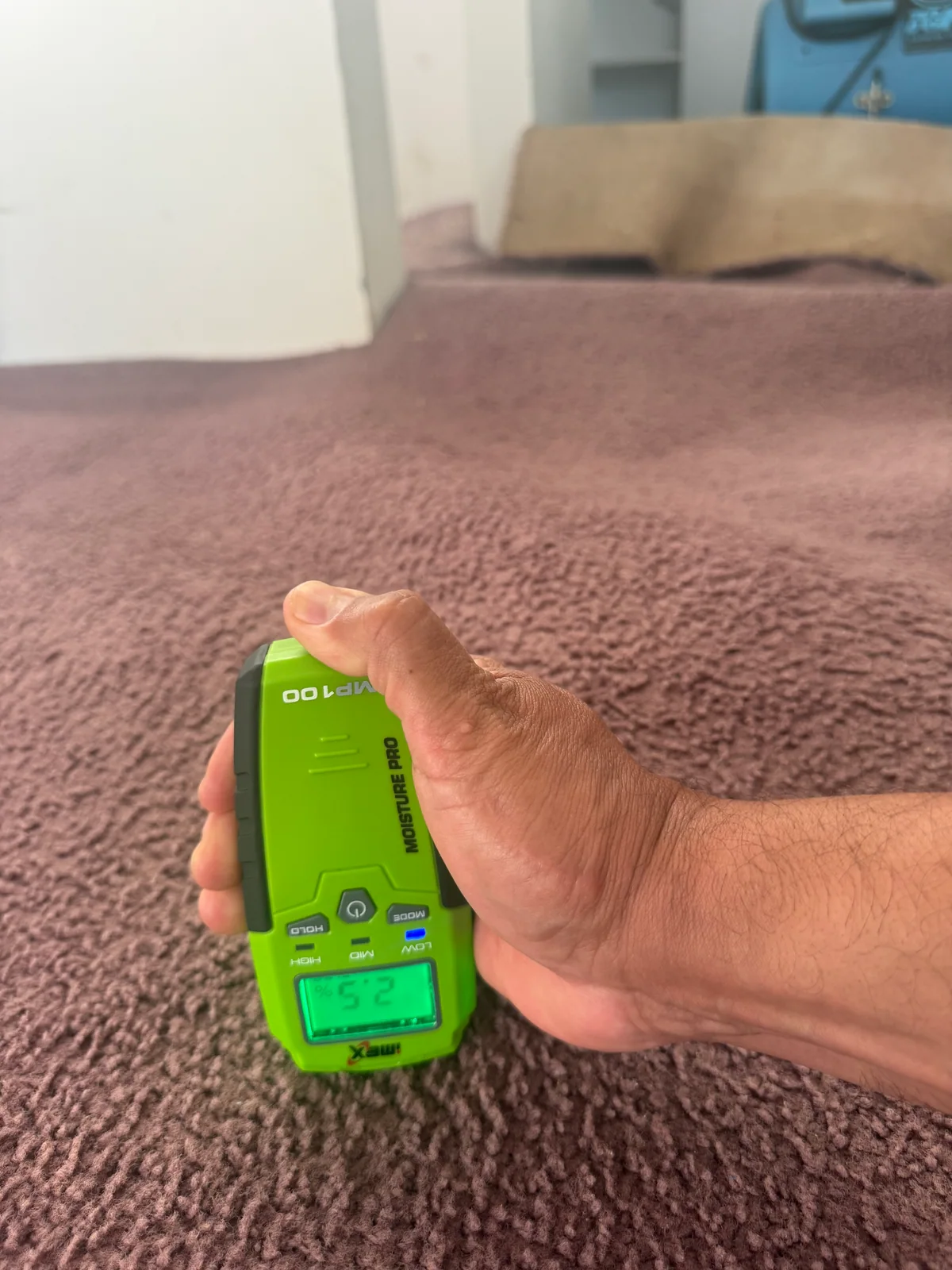
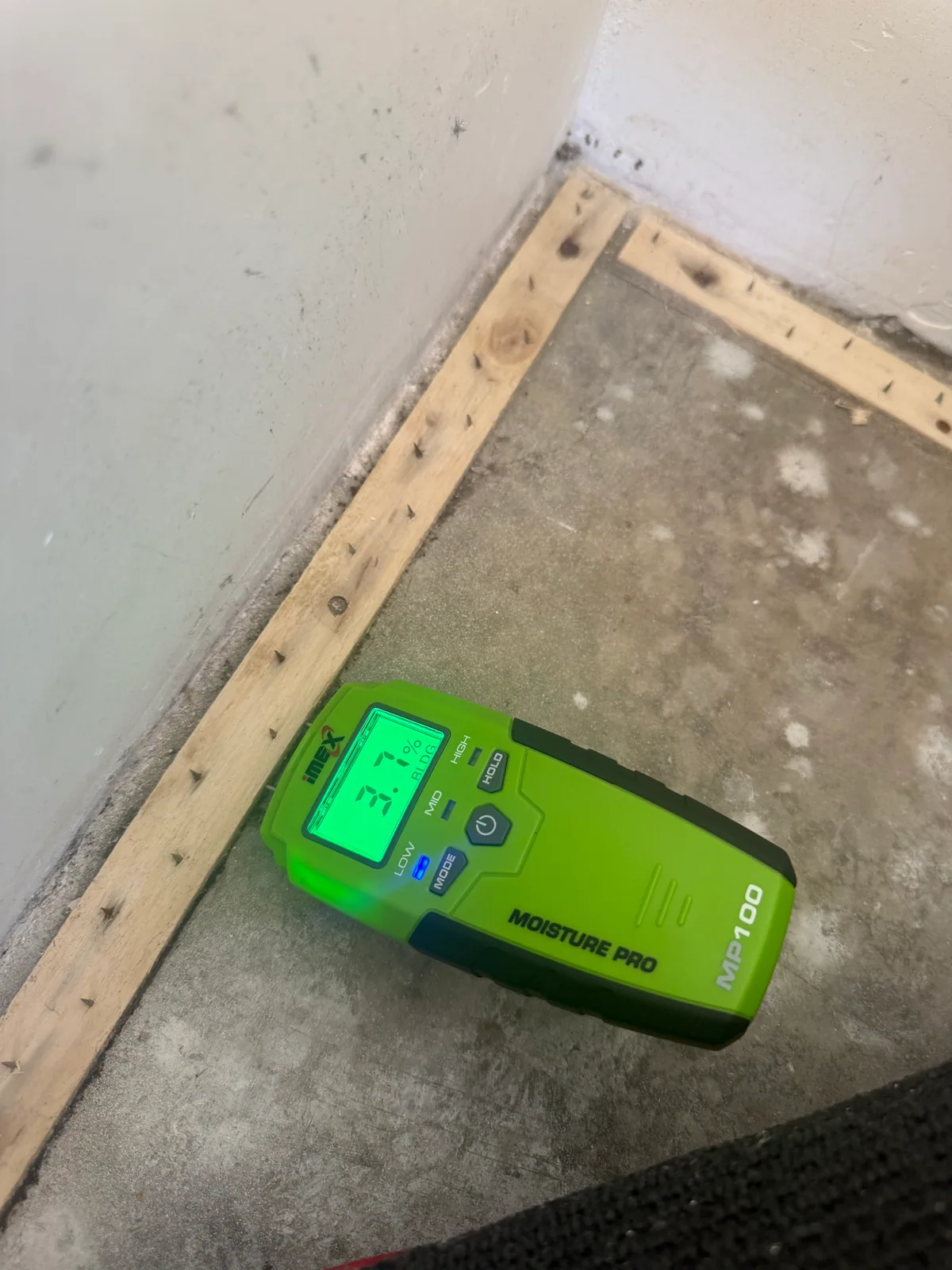
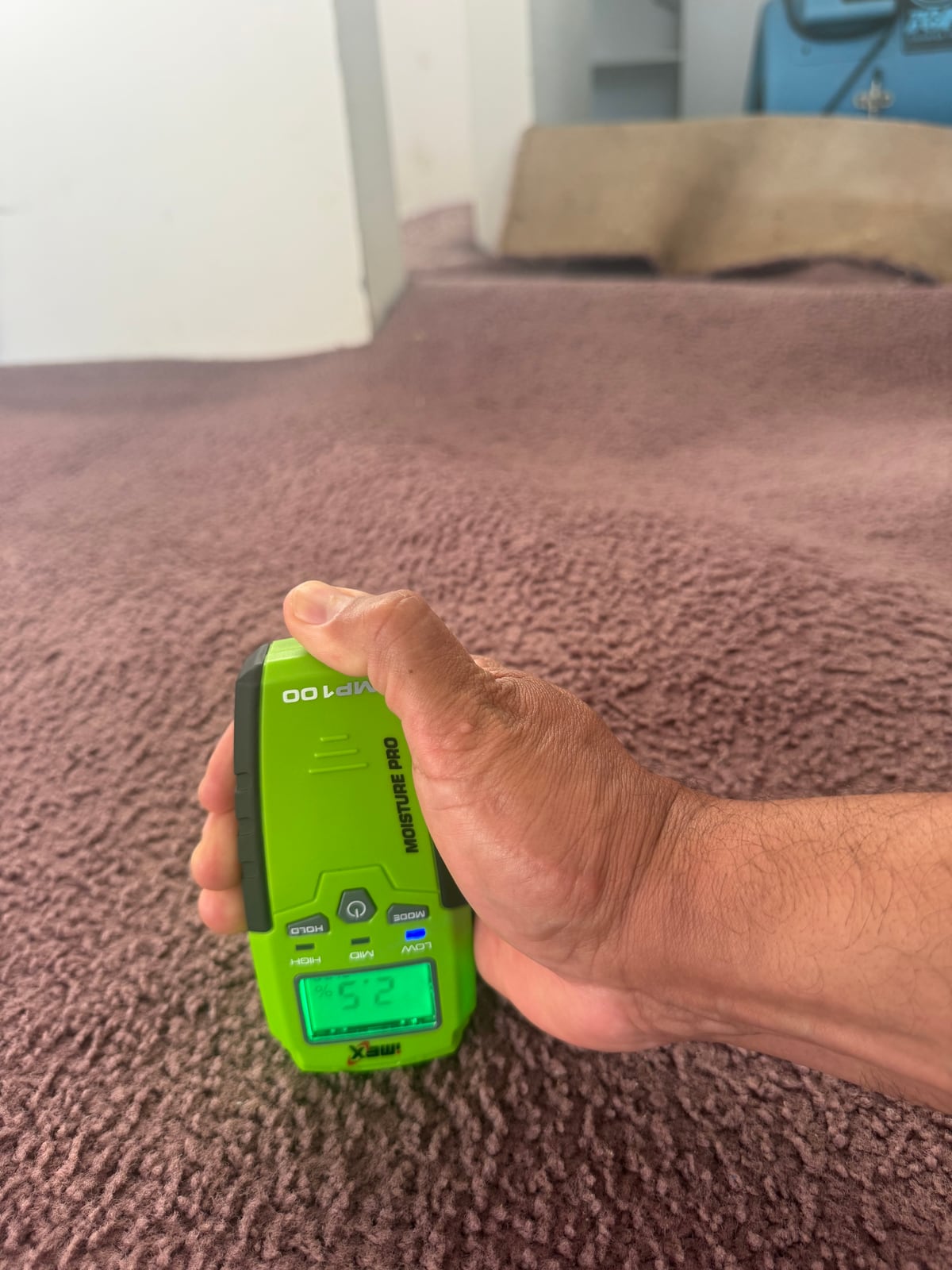
  • Moisture assessment using appropriate meters.
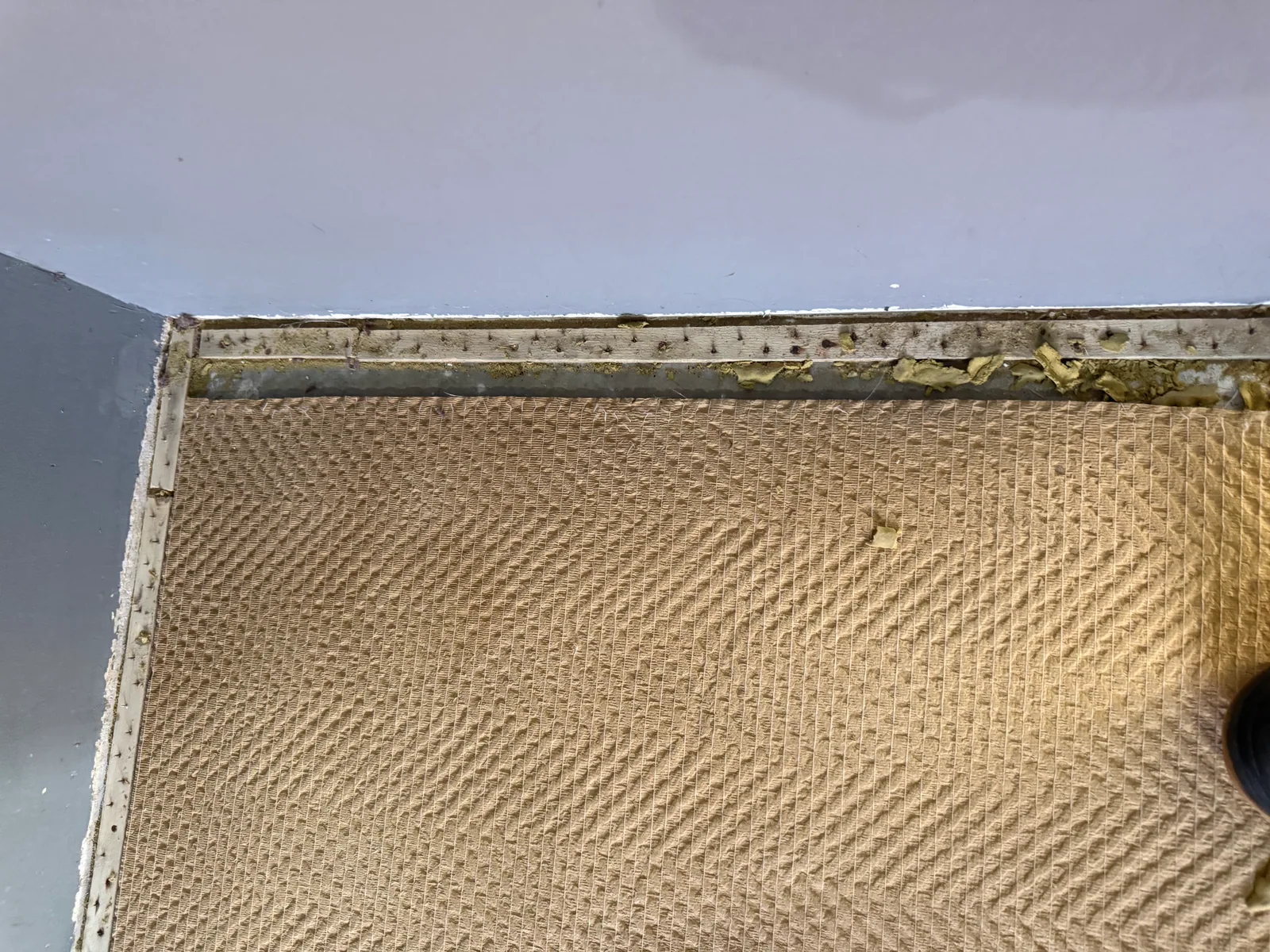
  • Lifting suitable carpet to inspect or access wet areas underneath.
  • Water removal from accessible areas beneath the carpet.
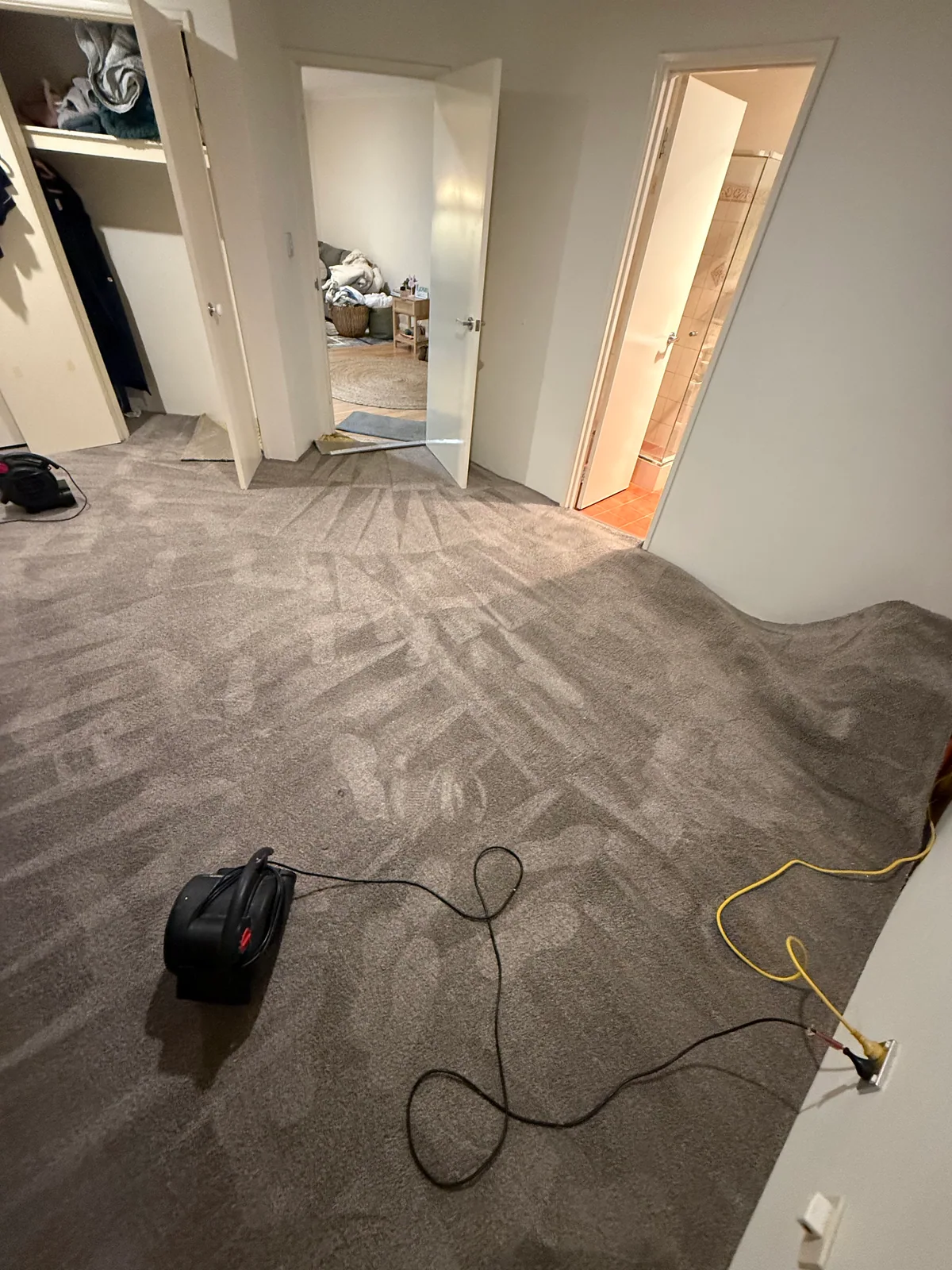
  • Placement of air movers, sometimes called blowers, where appropriate.
  • Follow-up drying checks and equipment adjustments when agreed.
  • Localised underlay repairs or replacement where suitable.
  • Cleaning and targeted treatment of suitable water marks and odours.
  • Mould-related treatment within the assessed scope, or advice when specialist remediation or material replacement is needed.

The combination depends on the water source, affected materials, duration of exposure and conditions on site. You receive a plan for your situation rather than a standard cleaning package applied to every water-damaged floor.

Our water damage assessment: looking beyond the surface

Before deciding how to extract, clean or dry the affected area, we assess what the water has reached and whether the materials are suitable for recovery.

We ask when you first noticed the problem, where the water appears to have come from and whether the source has been stopped. We inspect the carpet or rug, visible damage, affected edges and accessible areas beneath the flooring. Moisture readings help us investigate areas that may not look obviously wet.

The assessment also considers:

  • Carpet fibre, backing, construction and installation.
  • Rug dyes, foundation, fringes and any care information available.
  • The condition of the underlay and accessible subfloor.
  • Water marks, discolouration, odours or suspected mould.
  • Access for extraction equipment and drying equipment.
  • Whether the work can remain within carpet and rug restoration or needs another specialist.

We explain what appears recoverable, what needs further investigation and what is included in the proposed work before proceeding.

Why the source of the water matters

An indoor supply leak, used appliance water and outdoor floodwater can present different contamination concerns. Water that looks clear is not automatically suitable for a straightforward extraction-and-drying approach.

Tell us about the source if you know it, especially if sewage, drain overflow or outdoor floodwater may be involved. Contaminated water can change the recovery decision, the equipment setup and the precautions required. Carpet and underlay saturated with wastewater will often need replacement rather than routine cleaning.

Our carpet water damage remediation and recovery process

1. Photos, initial information and a preliminary estimate

If you can do so safely, send clear photos showing the affected room and wet areas from a safe location. A short video taken from a safe location can also help show where the water has travelled. Include your suburb, approximate affected area, when the incident occurred and whether water is still entering.

This helps us discuss availability and provide an initial estimate where possible. Photos cannot show every wet layer or confirm the full condition of a carpet, so the final scope and pricing depend on the site inspection.

2. On-site inspection and agreement on the work

We inspect the affected area, take appropriate moisture readings and discuss the proposed approach. If lifting carpet or accessing the underlay is necessary, we explain why.

The scope should distinguish the initial extraction from any equipment placement, return visits, cleaning, treatments and underlay work. If the inspection reveals more extensive damage, we explain how that changes the plan.

3. Extracting recoverable water

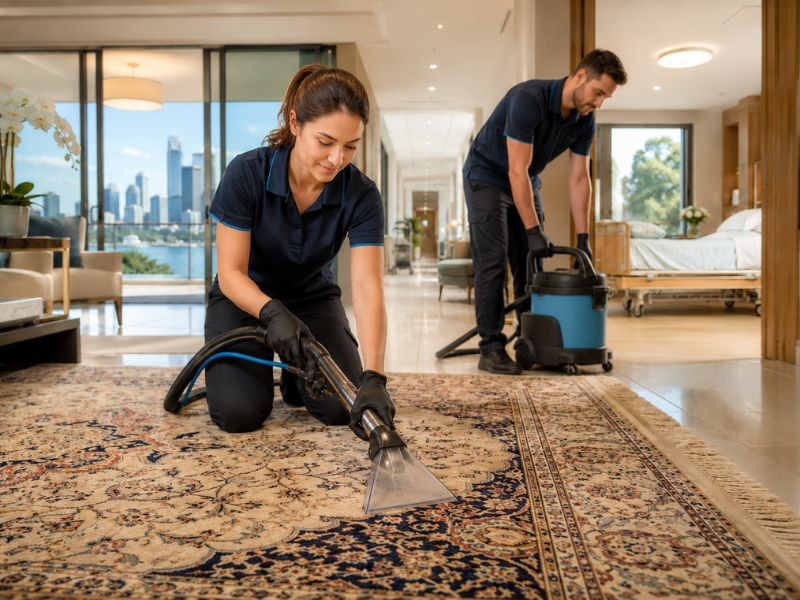
We use extraction equipment to remove as much accessible water as practical from suitable carpet and rug materials. Removing recoverable liquid reduces the amount left for the drying stage to address.

We can also assess standing-water extraction from tiled areas, including water lying across tiles and grout lines. Removing surface water does not establish whether moisture has travelled beneath the flooring or into adjoining materials; those concerns are assessed separately.

4. Accessing the underlay and floor beneath

Where the installation and condition allow, sections of carpet may need to be lifted so we can inspect the backing, assess the underlay and access trapped water beneath it.

We explain whether the underlay can remain, needs further attention or should be replaced. Where appropriate, our work can include localised underlay repairs or replacement of affected sections. This decision considers contamination, material condition and the practical recovery plan.

Accessible subfloor moisture also needs attention. Removing water from the floor beneath a carpet is different from repairing a damaged building structure. If the floor itself needs specialist drying, investigation or repairs beyond our scope, we identify that requirement.

5. Setting up an appropriate drying approach

After the contamination assessment and any necessary preparation, air movers can be positioned to support drying. Depending on the installation, this may involve airflow across the affected surface or beneath suitably lifted carpet.

Equipment placement is selected for the job. Air should reach the areas that need drying without unnecessarily disturbing damaged materials or spreading contamination.

Room humidity also affects drying. Air movers circulate air; they do not collect water vapour. If additional humidity control or dehumidification is required, this needs to be addressed in the agreed drying plan.

We explain the equipment arrangements, access requirements and instructions for the affected area while work is underway.

6. Checking drying progress, where agreed

We can provide follow-up monitoring as part of the agreed service. This includes return checks with moisture meters to assess progress in the relevant accessible areas.

These checks help determine whether drying is progressing, whether equipment placement needs adjustment and whether further work is necessary. The visit schedule and any associated costs are agreed for your job.

A carpet feeling dry on top is not the only consideration. The condition of the backing, underlay and accessible floor beneath it also matters. We discuss the findings with you so you understand the next step.

7. Cleaning and treating suitable remaining damage

Depending on the recovery plan, cleaning and targeted treatments may be needed for soiling, water marks, odours or mould-related concerns. The sequence is adapted to the condition and contamination rather than leaving necessary cleaning until the end of every job.

We choose treatments for the material and the type of damage. Water marks may improve with suitable treatment, but permanent dye changes, backing deterioration or other physical damage cannot always be reversed through cleaning.

Where mould is present, the response must address the affected material and the moisture problem. Applying a product alone is not a substitute for appropriate removal, cleaning and drying. Some porous materials require replacement; more extensive or hidden contamination may need specialist remediation.

8. Reviewing the outcome and next steps

At the end of the agreed work, we explain what has been completed, any remaining concerns and the next steps for the flooring.

Where a monitored drying service is agreed, the review includes the relevant moisture findings. An extraction-only visit is a different scope from a complete drying programme; we make that distinction clear when discussing your service.

Our commitment is to put the right work into giving your flooring its best chance of recovery, while keeping you informed about the result and any remaining damage.
Giving the recovery process the time it needs

Water extraction and complete drying are different stages. A significant amount of liquid may be removed during the initial visit while moisture remains within or beneath the flooring.

The complete process can take several days, depending on how much water is present, how far it has travelled, the flooring construction, room conditions, material condition and any cleaning or replacement work required.

Our focus is on achieving the best possible recovery for your flooring. We explain the expected stages and, where monitoring is agreed, use follow-up moisture checks to guide adjustments and further work.

Contact us as soon as you discover the damage so we can discuss the first steps. Starting promptly gives us the opportunity to assess the affected materials and begin appropriate remediation.

Water-damaged rugs need individual assessment

A loose rug may be affected differently from fitted carpet. Water can reach the foundation and backing, and the appropriate approach depends on its fibres, dyes and construction.

We assess suitable extraction and treatment options before proceeding. Tell us if the rug is wool, silk, handmade or has particular monetary or sentimental value. Where specialist rug restoration is needed, we explain that before recommending a treatment.

Our goal is to make a sound recovery decision for the individual piece, including the floor beneath it where accessible.

Underlay replacement and water mark treatment

Sometimes the best recovery plan involves saving suitable carpet while replacing affected underlay. In other cases, damage or contamination means a larger replacement is necessary.

We discuss the practical options after inspecting the layers involved. Localised repair is considered where appropriate; retaining compromised material simply to avoid replacement is not a sound restoration outcome.

Water mark treatment is also assessed individually. We examine the affected fibres, the source of the mark and the condition of the material. We explain the likely improvement before treatment and point out permanent damage where it is evident.

Water extraction for homes, rentals and commercial premises

We assess water-damaged carpets and rugs in Perth homes, rental properties, offices and other commercial spaces.

For homes, we discuss access, affected rooms and arrangements around household routines. For rentals, landlords and property managers, photographs and a clear scope help everyone understand the proposed work. In commercial premises, access and disruption need to be considered alongside the recovery requirements.

Let us know who is authorising the work and who should receive progress updates. Where return visits are agreed, we can discuss access arrangements at the outset.

What to do when you discover wet carpet

Keep people and pets away from the affected area until the hazards are understood. If you can safely stop the water at its source, do so. Do not enter standing water or approach electrical equipment to isolate power; seek qualified help where electrical safety is uncertain.

Take photos from a safe location and contact us with the details. Avoid using a household vacuum to collect water, and do not start blowing air across suspected mould or contaminated water before assessment.

If you rent the property, notify your property manager or landlord. If insurance may be involved, contact your insurer about their requirements. Availability, scope and any insurer arrangements should be confirmed before relying on them.

Frequently asked questions

Can you save my water-damaged carpet?

Saving your carpet is our priority. We assess the damage and select the extraction, drying and treatment approach that gives it the best practical chance of recovery. Results depend on the water source, exposure time and condition of the fibres, backing and underlay. Complete restoration cannot be guaranteed; if part of the flooring is beyond recovery, we explain the options clearly.

Do you remove water from underneath the carpet?

Where access and the installation allow, we can lift suitable carpet, assess the layers beneath it and extract accessible water. The inspection determines whether underlay removal or replacement is needed.

Do you put blowers underneath the carpet?

In suitable situations, yes. Air movers may be positioned to direct airflow beneath lifted carpet. This follows assessment of the installation, material condition and contamination; it is not appropriate for every job.

Do you come back to check the drying?

Yes, when follow-up monitoring is agreed as part of your service. We use moisture readings to assess drying progress and discuss any adjustments or further work required. The visit schedule and pricing are agreed for your situation.

How long does water damage restoration take?

The full process can take several days. Initial extraction, drying, follow-up checks and any necessary treatments or underlay work are separate parts of the recovery plan. The timeline depends on the findings and drying progress.

Is the carpet dry when it feels dry to touch?

Not necessarily. Surface feel does not establish the condition of the layers underneath. Moisture checks help assess the relevant accessible materials and guide the next steps.

Can you replace damaged padding or underlay?

Where suitable, we can undertake localised underlay repairs or replacement as part of the agreed work. We assess the condition and extent first and explain if more extensive replacement is required.

Can you treat mould after water damage?

We assess mould-related concerns and suitable treatment within our carpet and rug service. Some affected materials need removal or replacement, and extensive or hidden mould may require specialist remediation. Treatment must also address moisture conditions.

Can you remove water marks and damp smells?

We can assess suitable cleaning and targeted treatments. Results depend on the cause and material condition. Persistent odours may indicate an unresolved moisture or contamination issue, and permanent discolouration may remain.

Can you extract water from tiles and grout areas?

Yes, we can assess extraction of accessible standing water on suitable tiled surfaces. Our restoration focus remains carpets and rugs. Suspected moisture below tiles or within the building may require a separate investigation.

Can you provide a quote from photos or video?

Photos and video help us provide preliminary guidance and an estimate where possible. The final scope is confirmed on site because hidden moisture and the condition beneath the carpet cannot be fully assessed remotely.

Does the quote include equipment and return visits?

The inclusions depend on the agreed scope. We discuss initial extraction, drying equipment, monitoring visits, treatments and any underlay work so you know what is included and what would be additional.

Do you repair walls, ceilings and structural damage?

Our service focuses on carpet and rug recovery, with accessible water extraction from suitable floors. Structural repairs, plumbing repairs and broader building restoration require the relevant trades or specialists.

Do you offer 24/7 emergency attendance?

Call us to check current availability and discuss your situation. Attendance times are confirmed directly for each enquiry.

Get a clear plan for water-damaged carpets and rugs in Perth

Send photos or a short video of the affected area, tell us what happened and let us know your suburb. We will discuss the likely work, provide preliminary pricing where possible and confirm the recovery plan after inspecting the property.

Our goal is to save what can be recovered and achieve the best possible result for your flooring. From initial extraction to agreed drying checks, targeted treatments and suitable underlay work, we build the remediation plan around that goal.

Call 0413 394 988 or send photos through WhatsApp to discuss your water damage assessment.

Related Blog Posts on Water Damage Cleaning and Restoration

Water extraction and drying for carpets and rugs in Perth. Moisture checks, underlay assessment and follow-up by agreement. Send photos for an estimate.

Click to Call
Click to Chat
Click to Chat